
Cover Crop Seed
Our full line of cover crop seed provides a large amount of options to produce results. Whether your cover crop purpose is soil building or grazing our team can develop a strategy with you. We carry all multiple categories of cover crop seed: brassicas, broadleaves, grasses and legumes
-


VNS Winter Rye Seed
$21.99Winter rye is one of the most versatile cover crops. It suppresses weeds extremely well and ties up nitrogen close to the soil’s surface. Extremely productive. Cool season grass Will germinate in soils as cold as 35°F Can handle low fertility...$21.99 -

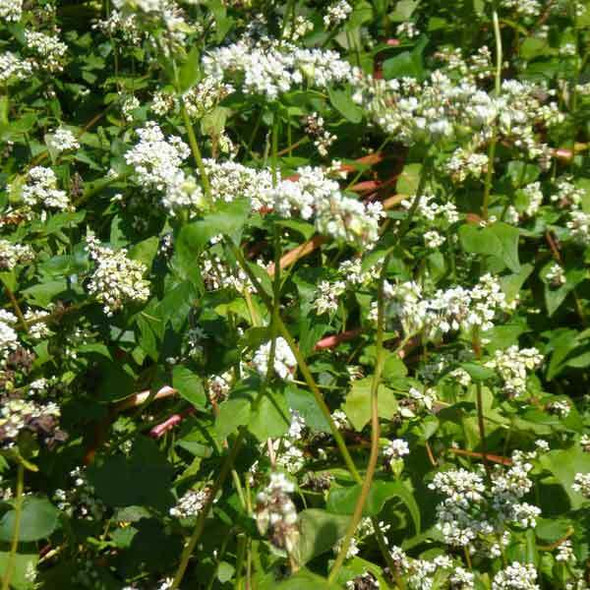
Buckwheat Seed
Elk Mound Seed
$84.99Buckwheat seed is a great crop for green manure. Buckwheat matures very quickly and provides tremendous weed suppression. Buckwheat is also does a great job scavenging phosphorus. Due to its long window of flowering, buckwheat is preferred by...$84.99 -
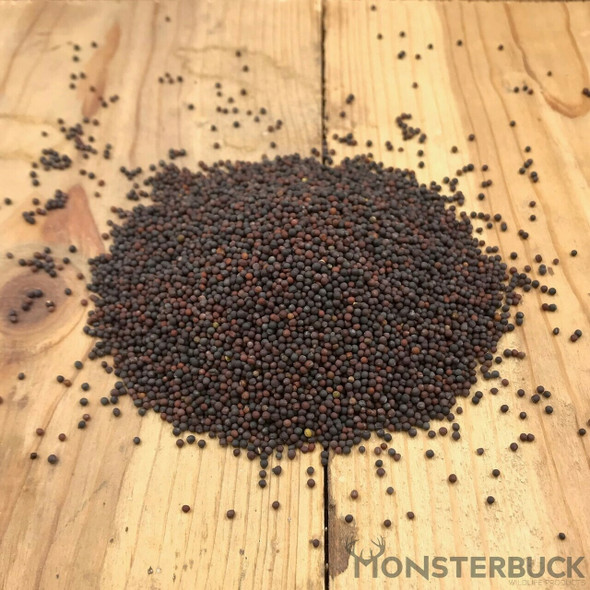

Canola Food Plot Seed
MonsterBuck
$24.99 - $99.99Canola is a tremendous draw for whitetail deer, particularly after the first hard frost. Being a member of the brassica family, the starches in canola turn to sugar following a hard frost. This reaction makes the plants incredibly palatable...$24.99 - $99.99 -

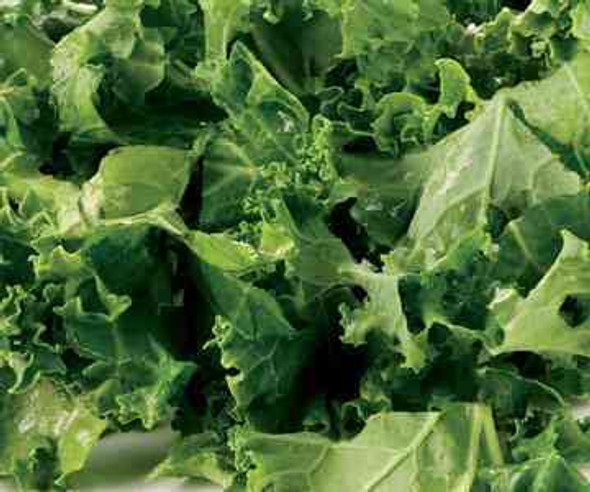
Forage Kale Food Plot Seed
MonsterBuck
$29.99 - $189.99Cold-hardy producer of high quality nutritious pasture. Desirable pH of 5.5-6.5. Fertilize at 60-80 lbs with Nitorgen, 80-120 lbs with Phosophorus, 60-100 lbs with K. Seeding Depth: 1/4"-1/2" deep in fine textured seedbed. Seed Count: 375,000 per pound...$29.99 - $189.99 -


Buster (Daikon) Radish Seed
Elk Mound Seed
$119.99It all starts with the taproot. Seed selected to go into the Badger brand bag has an aggressive taproot that can drill through compaction where steel can not, allowing for root channels for subsequent crops to access much needed nutrients and water...$119.99 -

Garden Plowdown Mix Seed
Elk Mound Seed
$10.99 - $49.99An all annual mix, this garden cover crop mix of Buckwheat, Peas, Barley and Crimson Clover produces ground cover and biomass. The quick growth of Buckwheat and expansive root systems of Barley allows this mix to produce soil activity below...$10.99 - $49.99 -


Certified Lacey Barley Seed
Elk Mound Seed
$19.99Lacey has consistently been a top yielding barley since its release. Lacey received favorable reviews for malting and brewing characteristics including high malt extract, low soluble protein, and high alpha-amylase activity. Extremely respectable for...$19.99 -


Hairy Vetch
Elk Mound Seed
$15.99 - $124.00An excellent legume when trying to build nitrogen as well as biomass. Great for weed suppression and as a soil conditioner. Cool season legume Earn up to 100 lbs/acre of nitrogen Seed at 15-20 lbs/acre$15.99 - $124.00 -

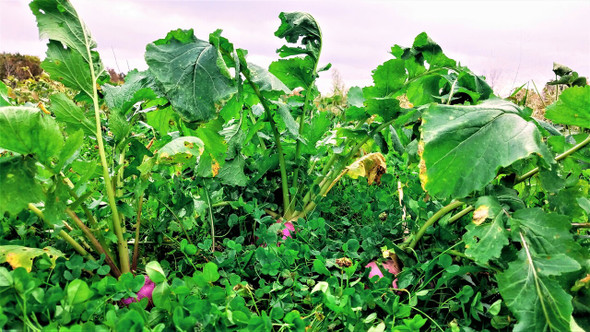
Purple Top Turnip Seed
Elk Mound Seed
$100.00A cool season, annual that is classified as a brassica. A cool season, annual that is classified as a brassica Rapid growth, good for short growing windows Has excellent grazing value late in the season$100.00 -


Crimson Clover Seed
Elk Mound Seed
$189.00This annual summer clover provides rapid robust growth along with approximately 50-60 lbs/acre of nitrogen per acre by mid-November. Crimson clover is a winter annual and will commonly over-winter except for in the Upper-Midwest. Being a...$189.00 -


Sorghum Sudangrass Seed
Elk Mound Seed
$62.00Warm season grass Excellent biomass producer Supresses annual weeds such as velvetleaf, crabgrass, foxtail and more Has shown some nematode suppression Provides an abundance of high quality forage Seed at 35-40 lbs/acre Buckwheat and cow peas are great...$62.00 -

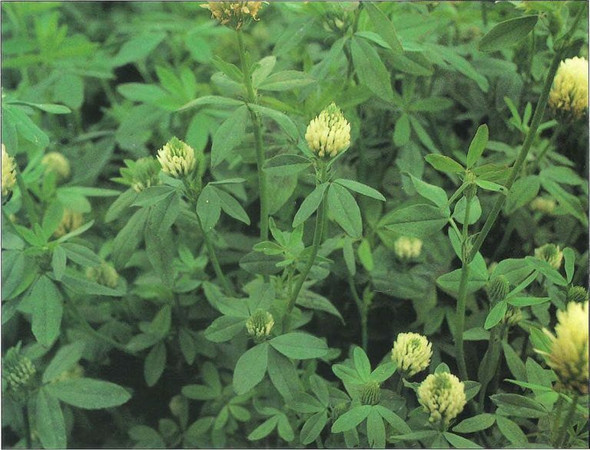
Berseem Clover Seed
Elk Mound Seed
$144.99Berseem clover is recognized by many as the “King of Cover Crops.” Berseem clover produce as much as 3 ton/acre of biomass and as much as 200# of nitrogen/acre. Cool season legume Unmatched biomass to nitrogen fixing yields A non-bloating clover Seed at...$144.99